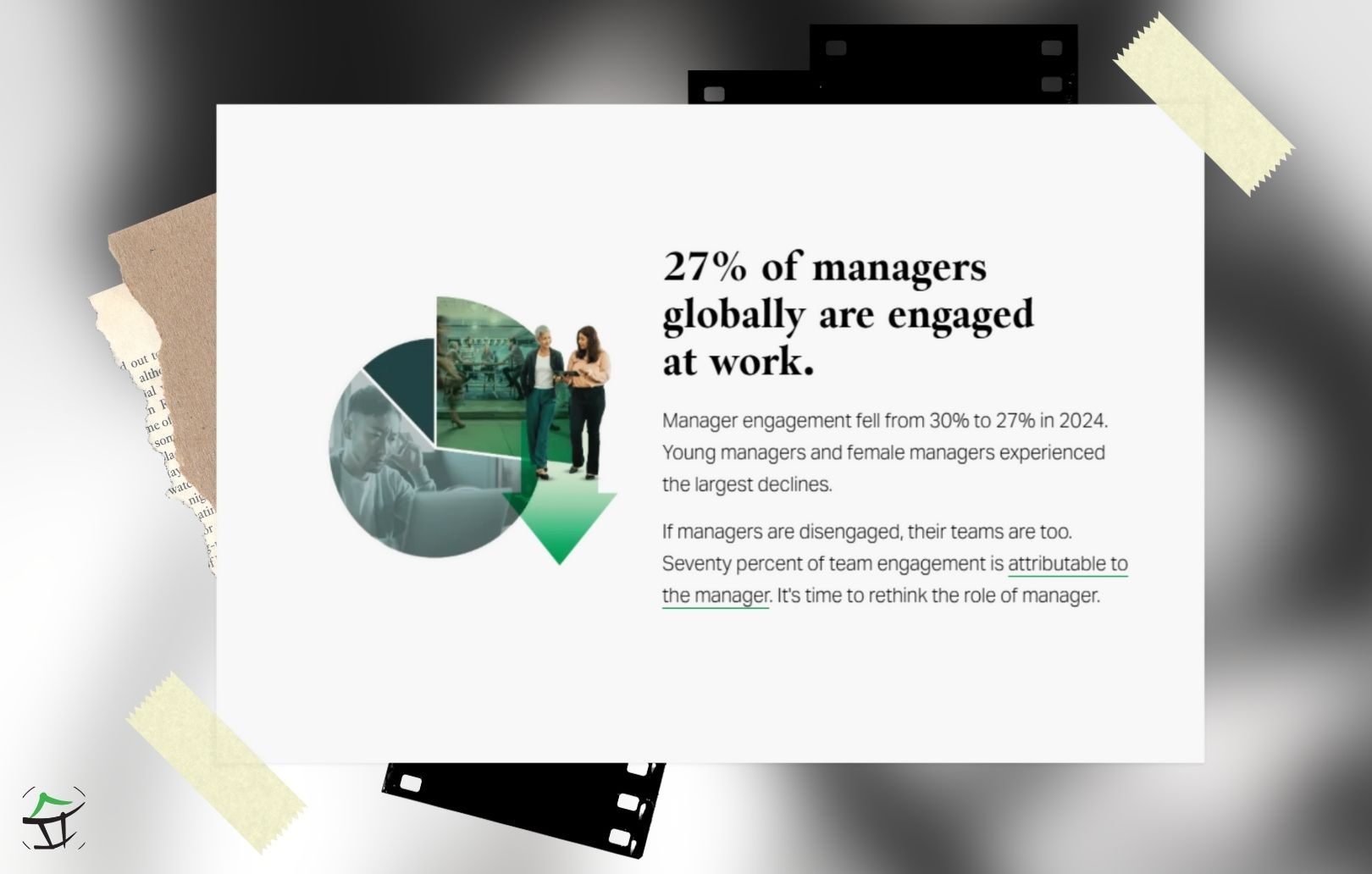
Across industries, cultures, and continents, a consistent picture is emerging:
work is no longer merely a place of productivity—it has become a defining space of meaning, identity, and well-being. Yet for many organizations, the systems, leadership models, and cultural assumptions shaping work have not kept pace with this reality.
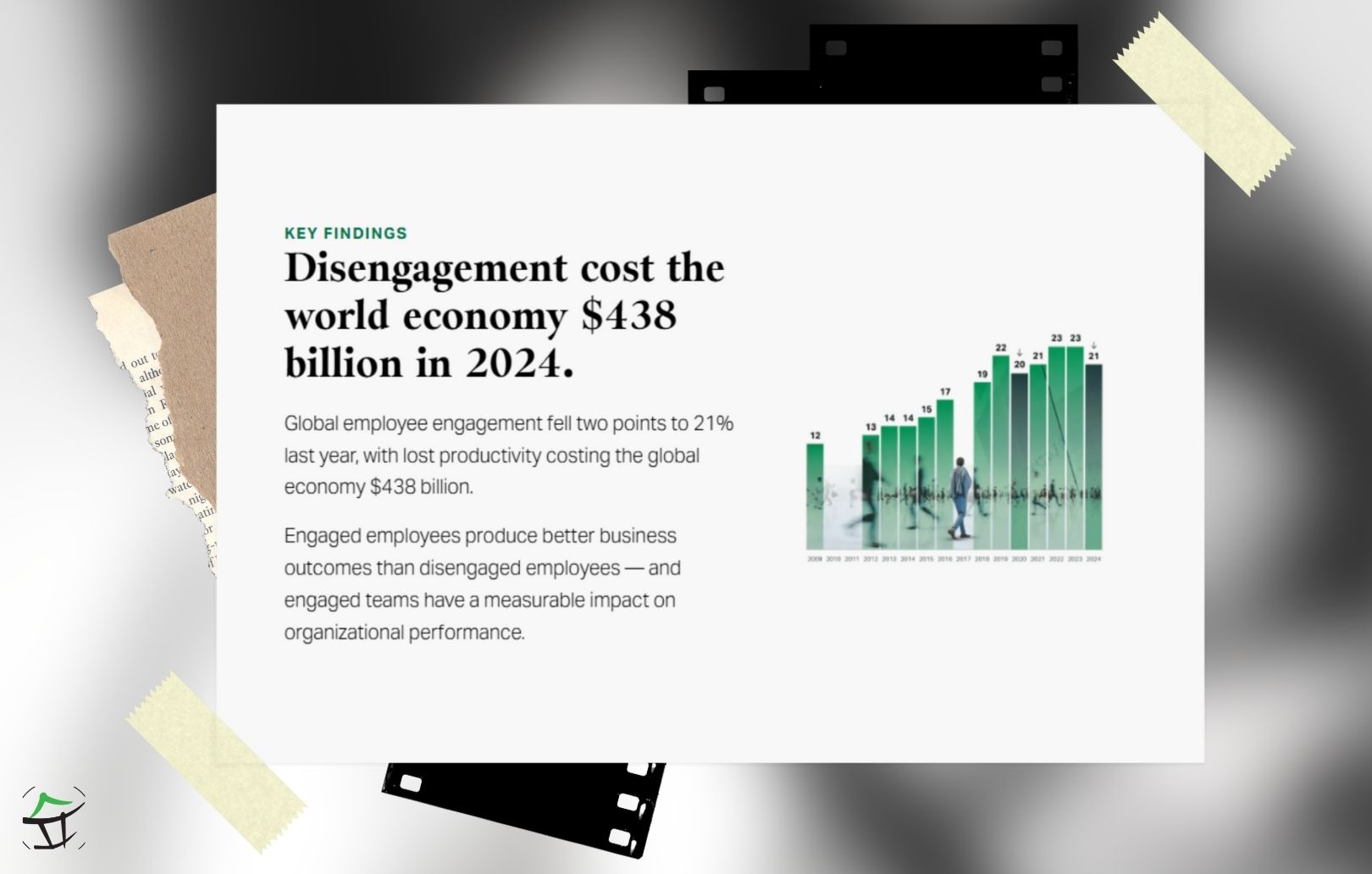
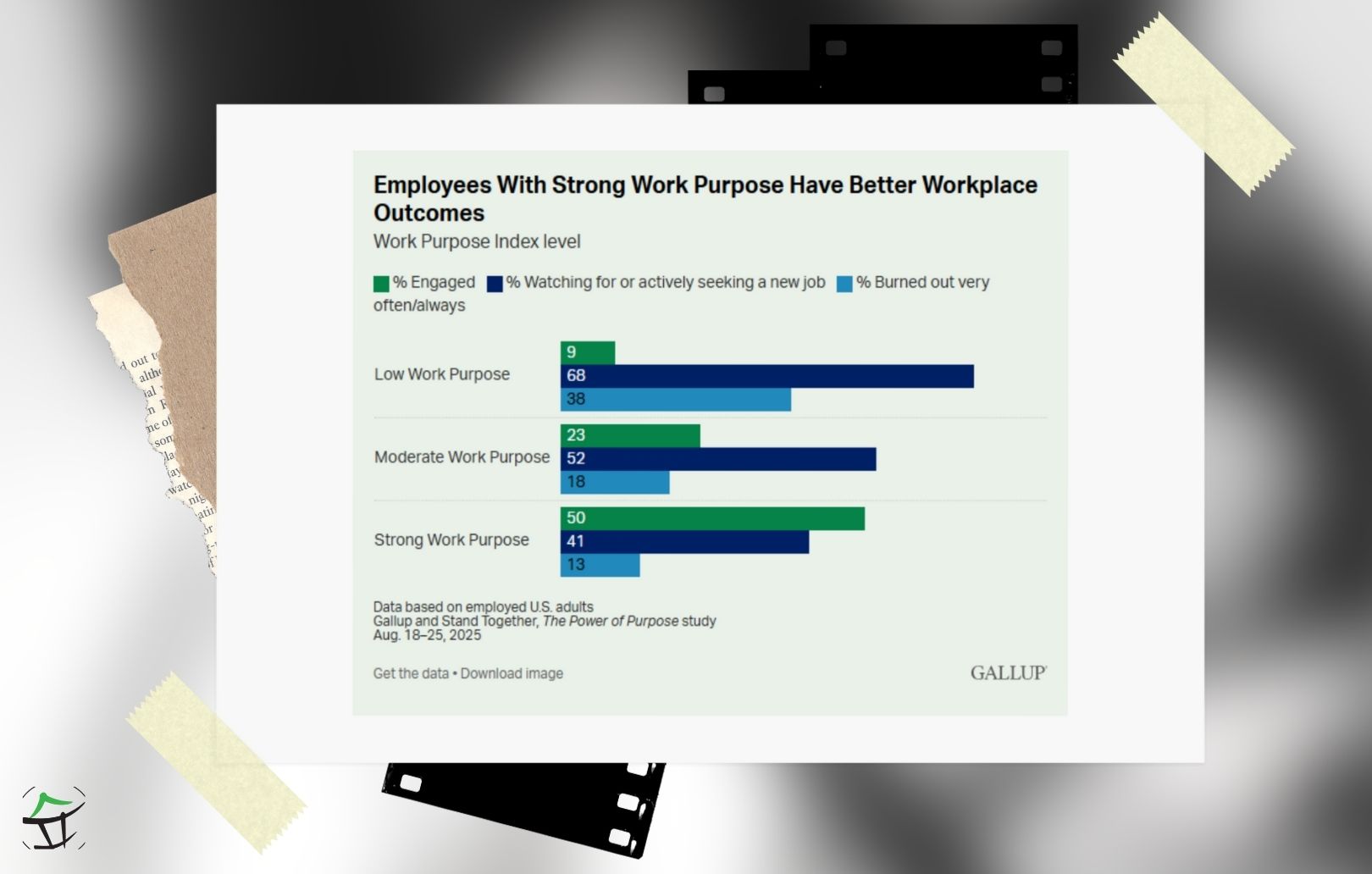
The research is clear. Low engagement, declining trust, widespread burnout, and a growing sense of disconnection are not isolated problems—they are symptoms of a deeper misalignment between how work is organised and what it means to be human. When people are treated primarily as resources rather than responsible agents, performance may be sustained for a time, but flourishing is lost—and eventually, so is effectiveness.
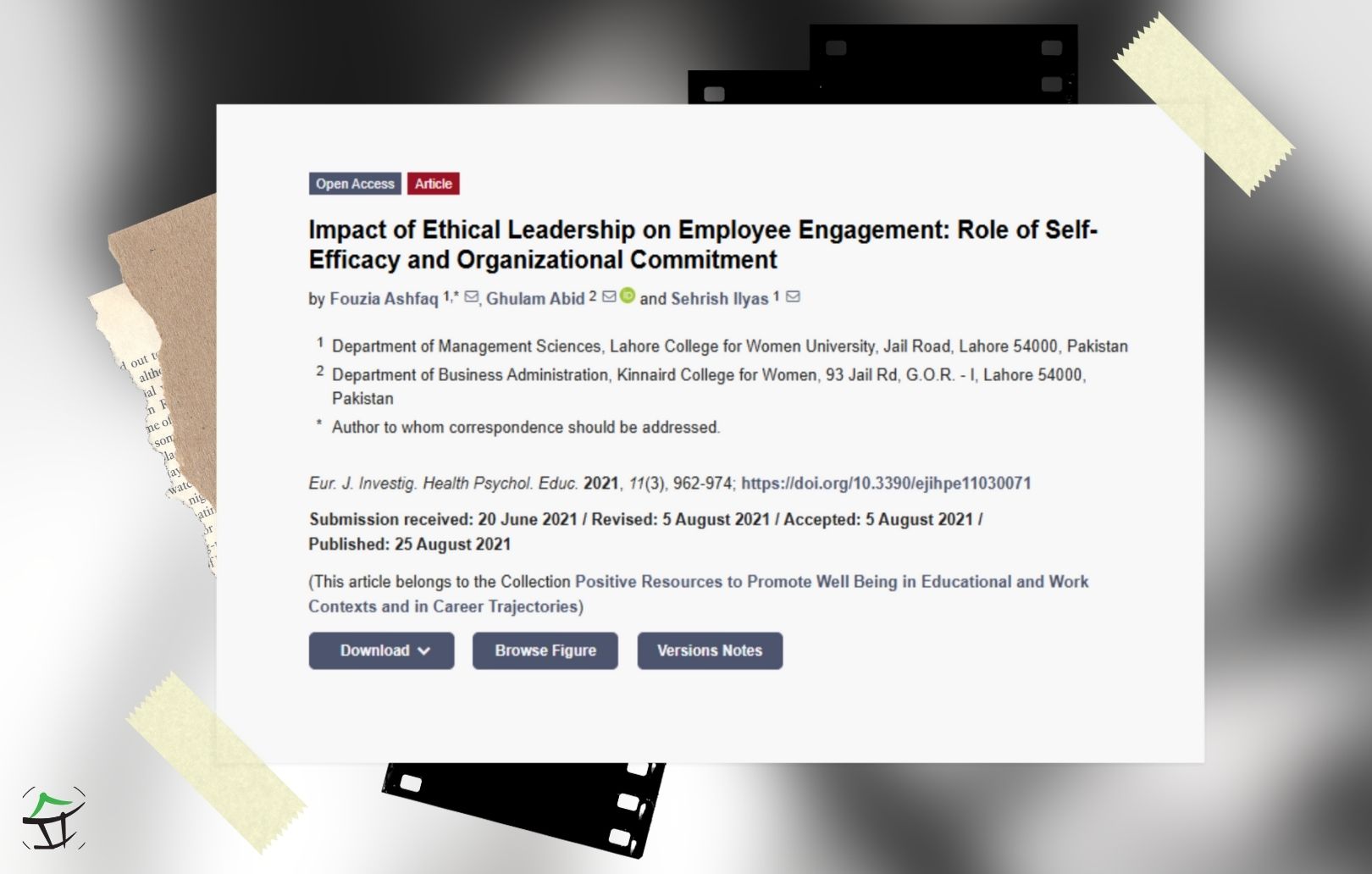
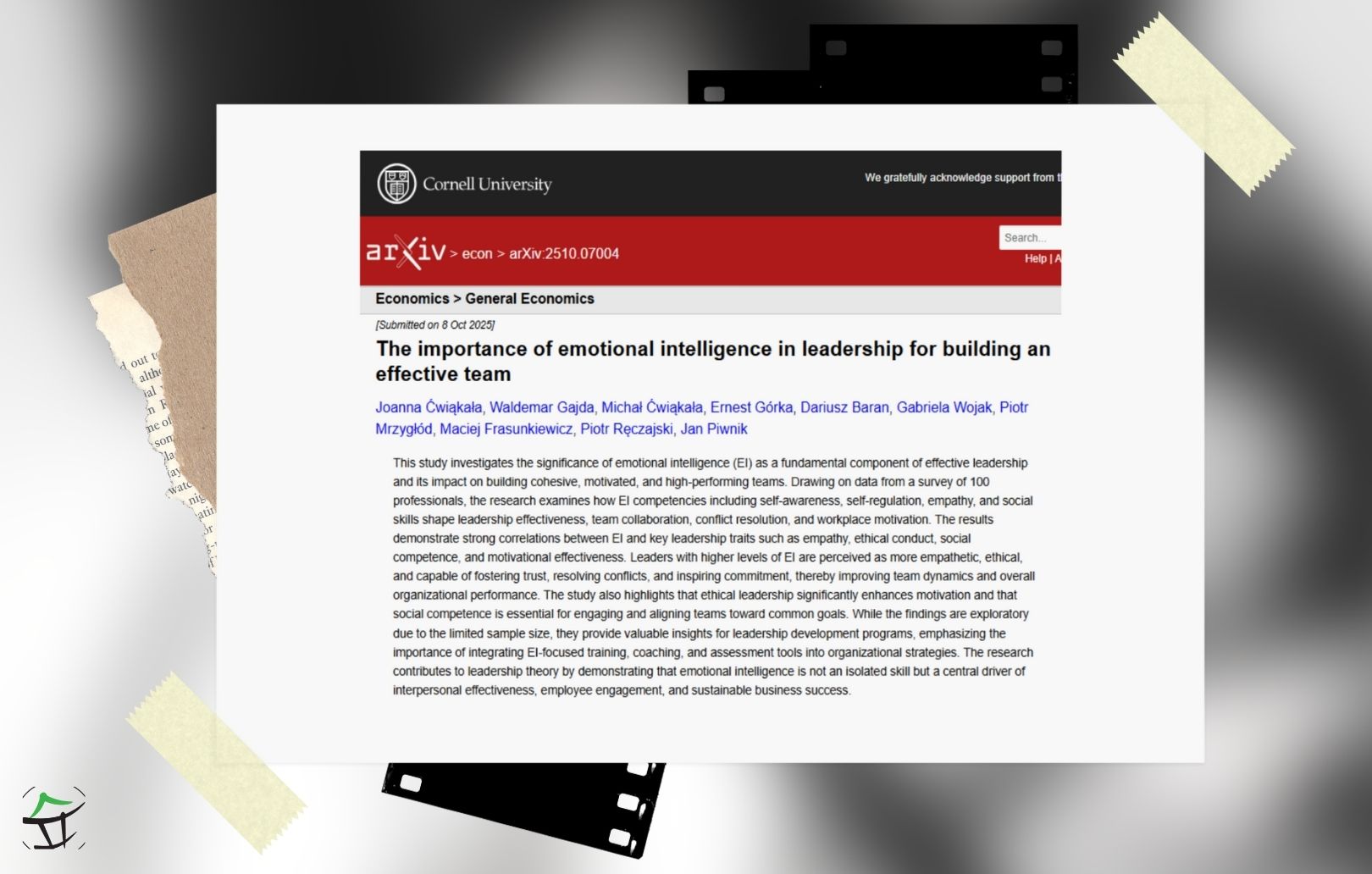
Leadership sits at the centre of this challenge. Studies consistently show that leadership quality—especially ethical leadership, emotional intelligence, and purpose-driven vision—directly shapes organizational culture, employee engagement, innovation, and long-term resilience. Where leadership is transactional, disengagement multiplies. Where leadership is formative, trust and responsibility take root.
These findings reveal an urgent need for more than technical training or management skills. What workplaces require is formation—the intentional shaping of people who can lead with integrity, steward responsibility, navigate complexity, and align organizational goals with human dignity.
This is precisely where the Workplace Transformation Program intervenes.
Rather than offering quick fixes or surface-level solutions, the program addresses the foundational questions the research points to:
What kind of people are our workplaces forming?
What values are our systems reinforcing—intentionally or otherwise?
How do leaders cultivate environments where purpose, accountability, and performance coexist?
By integrating reflective practice, ethical leadership, vocational clarity, and organizational responsibility, the course equips participants to respond meaningfully to the realities highlighted by current research. The goal is not merely better workplaces, but healthier people within them—and, by extension, healthier institutions and societies.
In a world where work increasingly shapes who we become, workplace transformation is no longer optional. It is essential.